BEHIND EVERY STORY…
is the real story.
Every story has two versions.
There's the version people remember, and then there's the version waiting quietly beneath the surface.
That's the one I go looking for.
For me, every story begins with trust—not information.
An interview isn't simply a chance to collect facts or quotes; it's the beginning of a conversation. People often remember details long after the interview has ended.
Memories return. Connections are made. Stories deepen. The first conversation rarely reveals the whole story. More often, it reveals where the real story begins.
Every Story Begins With Trust
I called legendary bull rider Jim Sharp to ask a question that caught him completely off guard.
"Do people call you Jimmy? I haven’t ever heard anyone call you that before."
He laughed.
"No. Nobody calls me Jimmy."
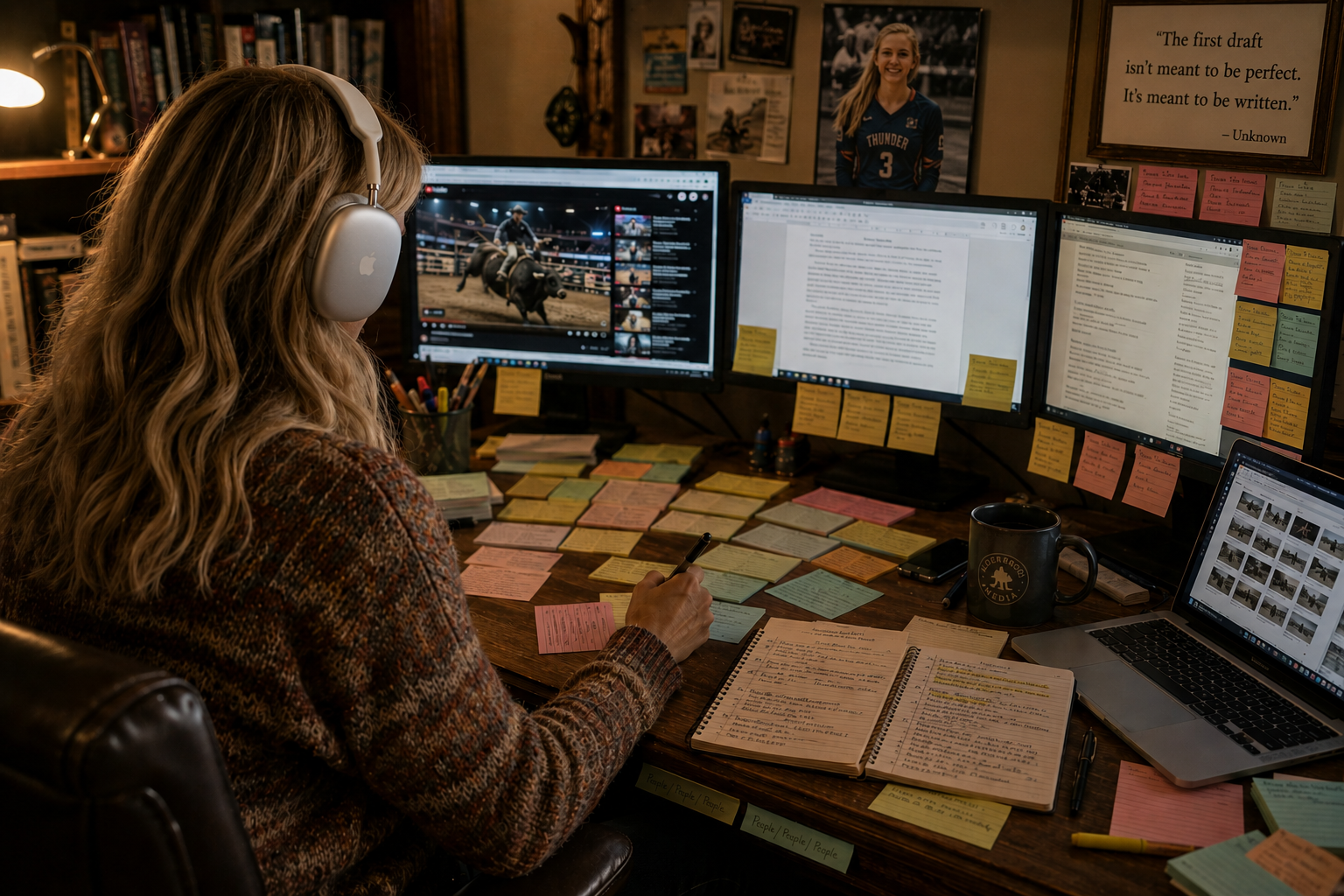
I told him I had spent hours listening to old video footage—not to the announcers, but beneath them. Beyond the crowd noise. I was trying to hear the conversations happening on the catwalk while he was roping into Bodacious.
"Tuff called you Jimmy," I said. “I lifted the other noise. I turned the volume way up. I could hear him talking to you. I wanted to write that scene precisely as it happened.”
Jim grew quiet.
"He did," he finally replied. "He used to call me Jimmy. I had forgotten all about that. He was the only one who ever did. And when we were in Vegas, he'd call me Jimmy Vegas. I never would have remembered it."
“Why would he call you Jimmy Vegas?” I asked.
And, that prompted him telling me another story.
Had I stopped after the first interview, those details would never have appeared in the book. And I didn’t trust what I heard. I picked up the phone. Called. verified.
Sometimes the smallest details reveal the deepest truths. Those moments aren't simply colorful dialogue—they're pieces of history that deserve to be preserved before they're forgotten.
I research until I understand the people behind the stories—their voices, their values, their humor, their flaws, and the moments that shaped them.
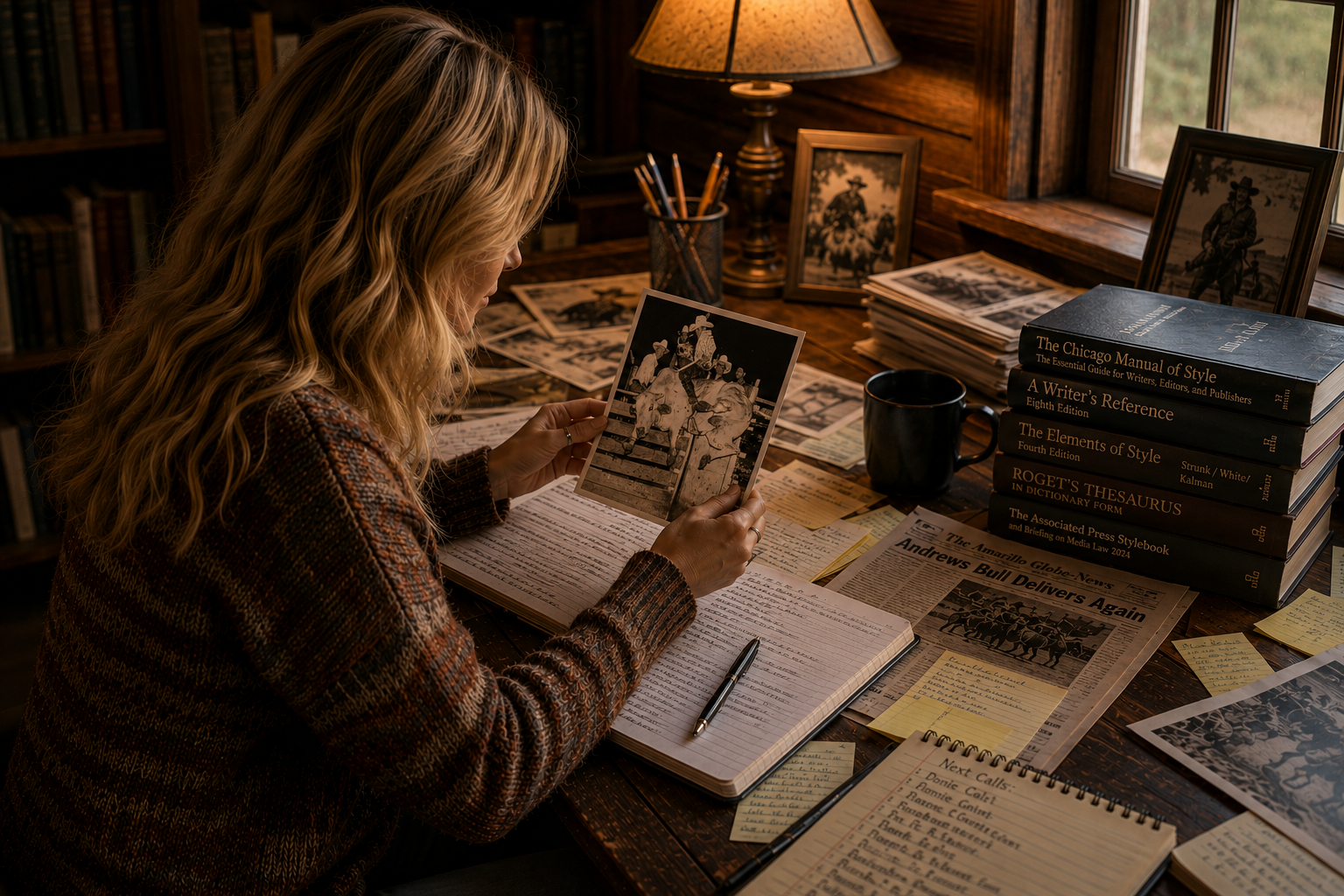
One interview becomes another. That conversation leads to newspaper archives, forgotten photographs, old video footage, score sheets, media guides, and conversations with the people who stood nearby.
Every new discovery raises new questions, sending me back to the people who lived it until the story begins to reveal itself.
Research isn't simply about confirming facts.
It's about recovering moments that even the people who lived them have forgotten.
Research Is Never Finished
Research is about more than verifying facts. It's about listening between the lines.
I pay attention to hesitation, humor, pride, regret, and even silence, because what isn't said often reveals as much as what is.
Those moments provide context that no newspaper article or statistic ever could. They reveal character, and character is what transforms history into a story worth remembering.
Listening Between the Lines
With every project, I recognize the responsibility that comes with telling someone else's story.
I am not simply writing about people; I am helping preserve a part of history.
My responsibility extends beyond today's readers to future generations who may never have the opportunity to meet these individuals or hear their stories firsthand.
A Responsibility to History
Some of the most meaningful details I've uncovered have never appeared in a newspaper article or official record. They've come from quiet conversations after an interview had ended, from old photographs tucked inside a box, or from someone remembering one forgotten sentence decades later.
Those moments may seem small, but they often become the details that make history feel human.
A story is ready only when I believe the people who lived it would recognize themselves within its pages.
My goal has never been simply to record what happened. My goal is to preserve lives, legacies, and the truth with honesty, respect, and care.
When someone closes one of my books, I want them to feel as though they've spent time with the people who lived the story—not simply learned about them.
Preserving Legacies